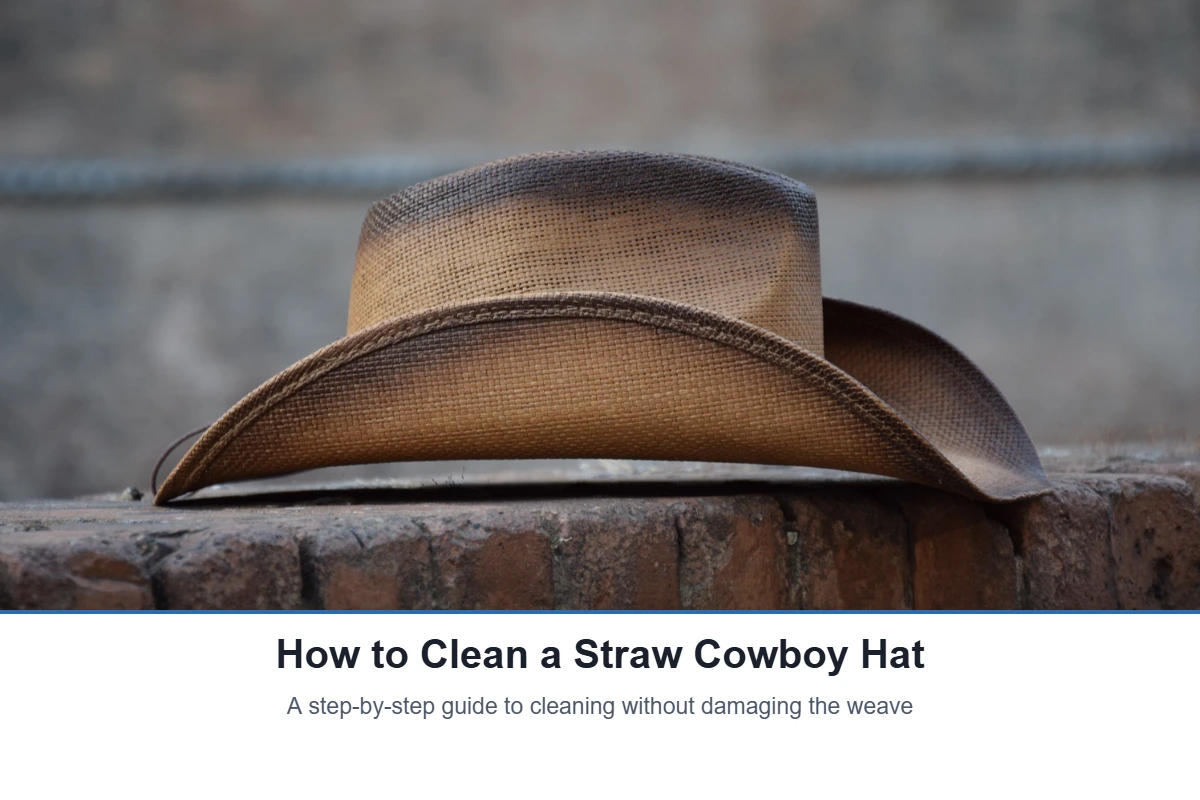
How to Clean a Straw Cowboy Hat: Step-by-Step Guide
A straw cowboy hat handles festival dust, sun, and sweat better than most materials, but it still needs the right cleaning approach, the wrong method can crack the weave or leave permanent stains. Straw isn’t felt, and treating it like felt is one of the fastest ways to damage it.
Here’s a practical, step-by-step approach to cleaning a straw cowboy hat properly, plus how to handle the most common types of mess without ruining the weave.
Why Straw Needs Different Care Than Felt
Straw is a woven natural fiber, while felt is a pressed, matted material, and that structural difference means they respond to moisture, brushing, and cleaning products very differently. Our cowboy hat material guide covers the broader differences between felt, straw, and fabric, and straw’s woven structure is exactly why it calls for a gentler, more targeted cleaning method.
Start With a Dry Brush-Off
Before using any liquid at all, brush off loose dust and debris with a soft-bristle brush, working in the direction of the weave rather than against it. This simple first step handles a surprising amount of festival-day dust and prevents you from rubbing grit deeper into the fibers once you do introduce moisture.
Spot-Cleaning Light Surface Stains
For light stains, a barely damp cloth with a small amount of mild soap, applied directly to the stain and nothing else, usually lifts the mark without soaking the surrounding straw. Blotting rather than scrubbing matters here, since aggressive rubbing can fray individual straw fibers and leave the spot looking worse than the original stain.
Handling Sweat Stains Around the Band
Sweat stains around the inner band are the most common straw hat issue, especially after a long festival day, and they respond well to a mix of mild soap and water applied with a soft cloth, working in small circular motions. Letting the hat air-dry fully afterward, away from direct heat, prevents the dampness from warping the shape while it sets.
Removing Makeup or Glitter Residue
Festival makeup, glitter, and body product residue on the brim’s underside is common enough to be its own category of mess, and a slightly damp cloth with gentle dabbing usually lifts most of it without extra product. Avoid alcohol-based cleaners here specifically, since they can dry out and discolor natural straw fibers over repeated use.
What Never to Use on a Straw Hat
Skip harsh detergents, bleach, and anything abrasive like a stiff scrub brush, all of which can break individual straw strands or strip the material’s natural color. Saturating the entire hat in water is also worth avoiding, since straw can warp or lose its shape when it’s fully soaked rather than just spot-treated.
Drying a Straw Hat Correctly
Air-dry a straw hat away from direct sun or any heat source, resting it on a hat stand or a rounded surface that supports the crown’s natural shape rather than leaving it flat. Rushing the drying process with a hair dryer or direct heat is one of the more common ways people accidentally warp a straw hat’s brim.
Reshaping a Brim That’s Lost Its Curl
If the brim has softened or lost its curve, light steam, held a few inches away rather than applied directly, combined with gently reshaping by hand while the straw is slightly warm, can usually restore the original curl. This is a gradual process, small adjustments held briefly work better than trying to force the shape back in one motion.
Dealing With Mold or Mildew
If a straw hat has been stored somewhere damp and developed a musty smell or visible spotting, a solution of equal parts water and white vinegar, applied with a cloth and followed by thorough air-drying, usually handles mild mildew. For more serious mold growth, the hat may not be worth saving, since mold can work its way into the fibers themselves.
How Often to Clean a Straw Hat
A quick dry brush-off after every wear and a more thorough spot-clean every few uses, rather than waiting for visible staining, keeps a straw hat looking fresh without over-handling the material. Over-cleaning can be just as hard on straw fibers as under-cleaning, so there’s a real balance to strike here.
Storing a Clean Straw Hat Properly
Once a straw hat is clean and fully dry, our guide to storing cowboy hats covers how to keep its shape between wears, which matters more for straw than for felt since straw can become brittle if stored somewhere too dry or crushed under other items.
Cleaning a Straw Hat With Decorative Elements
A straw hat with an attached band, feathers, or rhinestone trim needs extra care around those elements specifically, since water or cleaning solution can loosen adhesive-backed decorations. Our guide to accessorizing a cowboy hat covers how these pieces typically attach, which is useful context before you start cleaning around them.
When a Straw Hat Is Too Far Gone to Clean
If the weave itself is cracked, broken, or badly frayed rather than just dirty, cleaning won’t restore the hat’s structural integrity, and it may be time to consider a replacement rather than continued repair attempts. A hat that’s lost its shape at the structural level, not just the surface, generally isn’t worth the ongoing effort.
Cleaning Before Long-Term Storage
Always clean a straw hat before storing it away for an extended period, like the off-season between festivals, since built-up sweat or product residue left for months can set into permanent staining. A hat cleaned and fully dried right before storage comes out looking far better the next time you need it.
Traveling With a Freshly Cleaned Straw Hat
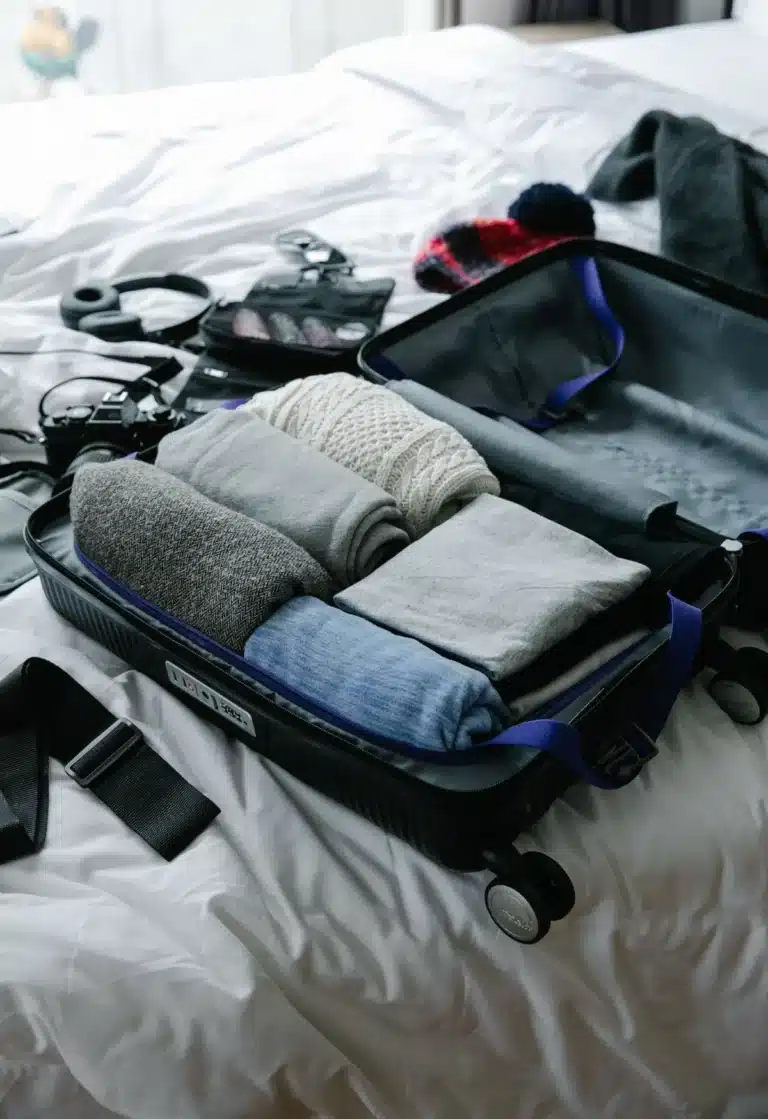
Once a straw hat is clean, protecting that work during travel matters just as much as the cleaning itself. Our guide to packing and traveling with a cowboy hat covers how to avoid crushing or re-staining it in transit, right after you’ve put in the effort to get it looking fresh.
Testing Any Cleaning Method First
Before applying any cleaning solution to a visible area, test it on a small, hidden part of the brim underside first, like near the edge where the band sits, to confirm it doesn’t discolor or damage that particular straw. This extra step takes under a minute and can prevent a cleaning attempt from creating a bigger problem than the original stain.
Cleaning Tools Worth Keeping on Hand
A soft-bristle brush, a couple of clean microfiber cloths, and mild soap cover the vast majority of straw hat cleaning needs without reaching for anything specialized. Keeping these on hand, rather than improvising with whatever’s nearby after a festival, makes it much easier to address a stain right away before it has time to set.
Cleaning a Straw Hat Right After a Festival
The sooner you brush off dust and spot-clean fresh stains after a long festival day, the easier they come out compared to letting them sit for days or weeks. A quick five-minute cleanup when you get home, rather than tossing the hat in a closet until the next event, is the single biggest factor in how well a straw hat holds up over a season.
Common Mistakes to Avoid
- Soaking the entire hat in water to clean one stain. Spot-treat the specific area instead, since full saturation can warp straw’s shape.
- Using bleach or harsh detergent on straw fibers. These can break down and discolor the material far more than a mild soap solution.
- Drying a straw hat with direct heat or a hair dryer. Air-drying away from heat protects the shape and prevents brittleness.
- Scrubbing a stain aggressively instead of blotting. Hard scrubbing frays individual straw fibers and can make a stain more visible, not less.
Frequently Asked Questions
Can I get a straw cowboy hat wet to clean it?
Spot-cleaning with a barely damp cloth is fine, but fully soaking a straw hat can warp its shape, so avoid full submersion.
What’s the best way to remove sweat stains from a straw hat?
A soft cloth with mild soap and water, worked gently in small circles around the band area, usually lifts sweat stains without damaging the straw.
Can I use bleach on a stained straw cowboy hat?
No. Bleach can break down straw fibers and cause discoloration, so stick to mild soap and water for cleaning.
How do I dry a straw hat after cleaning it?
Air-dry it away from direct sun or heat, resting on a hat stand or rounded surface that supports the crown’s shape while it dries.
Can a straw hat’s brim be reshaped if it’s gone flat?
Yes. Light steam held a few inches away, combined with gently reshaping by hand, can usually restore a softened brim’s curl.
How often should I clean a straw cowboy hat?
A quick brush-off after every wear, with a more thorough spot-clean every few uses, keeps straw looking fresh without over-handling it.
What should I do about mildew on a straw hat from damp storage?
A mix of equal parts water and white vinegar, applied with a cloth and followed by full air-drying, usually handles mild mildew spotting.
Final Thoughts
A straw cowboy hat can genuinely last for years of festival wear with the right cleaning approach, gentle, targeted, and never rushed. Browse our full collection of cowboy hats to find a straw style built to handle real wear.