Cowboy Hat Sun Protection Guide: Brim, Material, and Skin Safety
A cowboy hat isn’t just a festival accessory, it’s genuinely one of the most effective pieces of sun protection you can wear. A wide brim shades your face, ears, and neck in a way that a cap or visor simply can’t match, but not every hat protects equally well, and a few small choices make a real difference in how much coverage you actually get.
Here’s what to know about cowboy hats and sun protection, from brim width to material to the parts of your face and neck a hat can’t fully cover on its own, so you can head into a full day outdoors with a plan rather than hoping a wide brim alone does all the work.
Why a Cowboy Hat Offers Better Sun Protection Than Most Hats
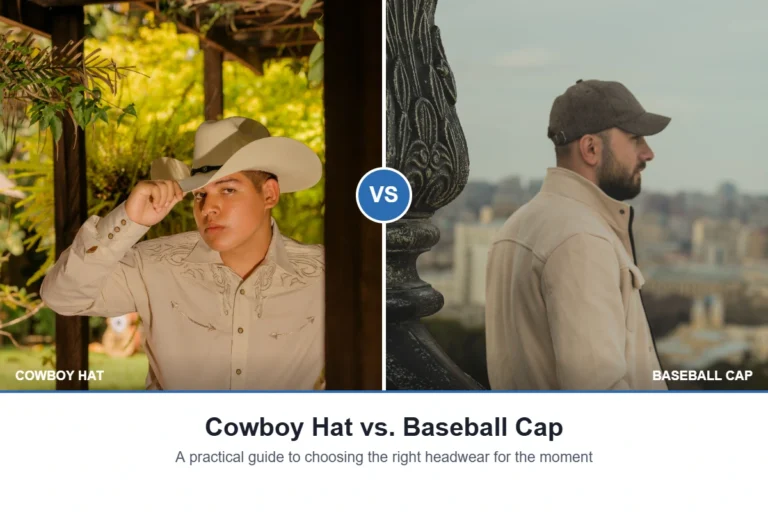
A wide, all-around brim shades the face, ears, back of the neck, and upper shoulders simultaneously, areas a baseball cap leaves fully exposed. This continuous shade is what makes a cowboy hat meaningfully more protective for a full day outdoors than most other common hat styles. A cap’s short front bill only shields the forehead and eyes, leaving the ears, cheeks, and neck exposed for hours at a stretch, which is exactly the coverage gap a full-brim style is designed to close.
How Brim Width Affects Sun Coverage
A wider brim casts a larger shadow, which translates directly into more shaded skin, particularly across the nose, cheeks, and neck. A narrower brim style still helps, but if sun protection is your main priority for a specific outdoor event, leaning toward a wider brim option gives you noticeably more coverage than a narrower, more fashion-forward cut. Checking a hat’s brim measurement in the product details, rather than judging width from a photo alone, is the most reliable way to compare coverage between styles before you buy.
Does Base Material Affect Sun Protection?
Densely woven straw and felt both block sunlight effectively, though a very loosely woven straw can let small amounts of light through if you look closely. Our cowboy hat material guide covers the differences between felt, straw, and fabric bases in more detail, and a tightly woven or solid fabric base generally offers the most consistent, gap-free shade of the three.
Color and Sun Protection: Does It Matter?
Darker colors absorb more heat from the sun, which can make a hat feel warmer during long outdoor wear, while lighter colors reflect more heat and tend to feel cooler. This is more of a comfort factor than a protection factor, since the brim’s shade works the same regardless of color, but it’s worth factoring in for an all-day summer event.
What a Cowboy Hat Doesn’t Protect: Filling the Gaps
A hat brim shades your face and neck, but it doesn’t cover your eyes directly, protect your lips, or shield skin at the very edge of the shadow line where the sun still reaches at certain angles. Sunglasses, lip balm with SPF, and mineral sunscreen on any exposed skin near the shadow’s edge all work alongside a hat rather than being replaced by it.
Sun Protection for Different Times of Day
Midday sun, when the sun sits nearly overhead, is when a wide brim provides the most complete shade, since the shadow falls almost straight down over the face and shoulders. Early morning and late afternoon sun comes in at a lower angle, which can slip under even a wide brim from the side, making sunglasses and a bit of extra sunscreen worth adding during those hours.
Festival and Outdoor Event Sun Exposure
A full day at an outdoor festival often means hours of continuous sun exposure with limited shade breaks, which makes brim width and consistent wear more important than they’d be for a shorter outing. Keeping the hat on consistently, rather than removing it between sets, matters more for cumulative sun protection than any single design detail.
Sun Protection for Fair or Sensitive Skin
If you burn easily or have particularly sun-sensitive skin, pairing a wide-brim hat with mineral sunscreen on your face, ears, and neck gives you layered protection rather than relying on the hat alone. The brim reduces direct exposure significantly, but it doesn’t eliminate reflected light bouncing up from light-colored ground, sand, or water.
How Crown Height Affects Airflow and Heat
A taller crown allows a small pocket of air to circulate around the top of the head, which can help with heat management during long sun exposure compared to a very low, tight-fitting crown. This is a minor factor next to brim width and material, but it’s worth considering for a hat you’ll wear through an entire hot afternoon.
Combining a Hat With Other Sun Protection Habits
A cowboy hat works best as part of a layered approach: shade from the brim, UV-blocking sunglasses for your eyes, sunscreen on exposed skin, and staying hydrated during long outdoor stretches. None of these replace the others, and combining them gives you noticeably better protection than any single habit on its own.
Choosing a Hat for a Full Day in the Sun vs. a Few Hours
For a full day outdoors, like a daytime festival set or an outdoor wedding, prioritizing brim width and breathable material matters more than it would for a shorter evening event where sun exposure is minimal. If you know a hat is mainly for a quick photo or a nighttime party, sun coverage can take a back seat to finish and sparkle instead.
Sun Protection for Group and Outdoor Bachelorette Events
When a whole group is spending a day outdoors together, like a bachelorette party with daytime activities planned, coordinating wide-brim styles across the group provides real sun protection rather than just a coordinated look. It’s worth checking that everyone’s hat has a genuinely functional brim if the day includes several hours outside, rather than choosing purely on finish and color.
Sun Protection Considerations by Skin Tone and Sensitivity
Everyone’s skin reacts differently to sun exposure, but a wide brim provides the same physical shade regardless of skin tone, it simply reduces the total amount of direct sunlight reaching your face and neck. For anyone especially prone to sunburn, treating a wide-brim hat as one part of a broader routine, alongside sunscreen and seeking shade during peak midday hours, gives the most reliable protection overall.
Caring for a Hat That Sees Regular Sun Exposure
Repeated sun exposure can gradually fade certain finishes over time, so storing a hat out of direct sunlight between wears helps it keep its color and shape longer. Our guide to storing cowboy hats covers how to protect a hat between events, which matters just as much for hats that see frequent daytime wear.
Common Mistakes to Avoid
- Assuming any cowboy hat provides equal sun protection. Brim width and material density both meaningfully affect how much shade you actually get.
- Skipping sunscreen because you’re wearing a hat. A brim doesn’t cover every angle, especially early and late in the day when the sun sits low.
- Choosing a narrow brim for an all-day outdoor event. A wider brim provides significantly more coverage for extended sun exposure.
- Forgetting reflected light from sand, water, or pale ground. A hat blocks direct overhead sun but not light bouncing back up from below.
Frequently Asked Questions
Do cowboy hats actually protect against sun exposure?
Yes. A wide, all-around brim shades the face, ears, and neck more completely than most other hat styles, making it genuinely effective sun protection.
Does a wider brim provide more sun protection?
Yes. A wider brim casts a larger shadow, covering more of the face and neck than a narrower brim style.
Do I still need sunscreen if I’m wearing a cowboy hat?
Yes. A hat brim doesn’t cover every angle, particularly early morning and late afternoon when the sun is low, so sunscreen on exposed skin is still worth applying.
Does hat color affect sun protection?
Color mainly affects heat and comfort rather than protection itself, darker colors absorb more heat while lighter colors stay cooler, but the brim’s shade works the same regardless of color.
Which material blocks the sun best, felt or straw?
Both work well when densely constructed, though a very loosely woven straw can let small amounts of light through compared to a tightly woven felt or fabric base.
Does a cowboy hat protect my eyes from the sun?
Not directly. A brim reduces glare and overhead exposure, but sunglasses are still needed for full eye protection, especially at low sun angles.
Is sun protection different for a daytime festival versus a nighttime event?
Yes. Daytime outdoor events call for prioritizing brim width and breathable material, while sun coverage matters far less for an evening or indoor event.
Final Thoughts
A wide-brim cowboy hat is a genuinely effective piece of sun protection when paired with sunscreen and sunglasses for the areas it can’t fully cover. Browse our full collection of cowboy hats to find a wide-brim style suited to a full day in the sun.