Cowboy Hat Pricing Guide: What Affects the Cost of a Disco Cowboy Hat
Cowboy hat prices vary a lot more than people expect, and it’s not always obvious why one hat costs noticeably more than another that looks similar in photos. Material, construction, embellishment, and craftsmanship all play a role, and understanding them makes it much easier to know what you’re actually paying for.
Whether you’re comparing a few options in your cart or just trying to figure out what counts as a fair price, here’s a breakdown of what actually drives cowboy hat pricing.
Why Cowboy Hat Prices Vary So Much
Two hats can look similar in a thumbnail photo and still sit at very different price points, because the price reflects far more than just the visible finish. Base material, the complexity of embellishment, how it’s attached, and overall construction quality all factor in, often in ways that aren’t obvious until you compare hats side by side in person.
Base Material and Its Effect on Cost
Felt and straw form the foundation of most cowboy hats, and the quality of that base material is one of the biggest cost drivers before embellishment even enters the picture. A well-constructed felt or straw base holds its shape better and lasts longer, which is part of what separates a budget hat from a more premium one even at a glance.
How Embellishment Affects Price
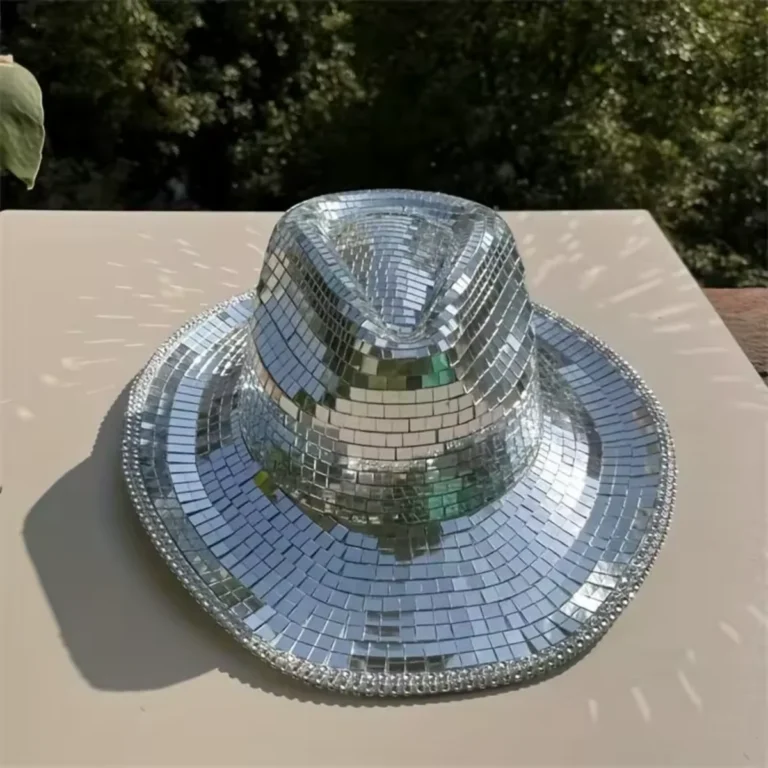
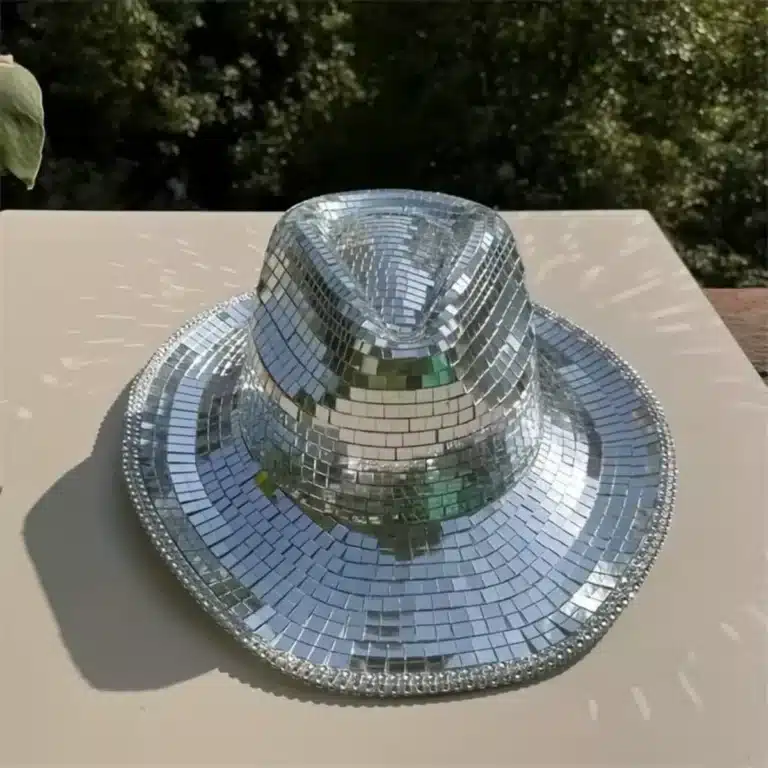
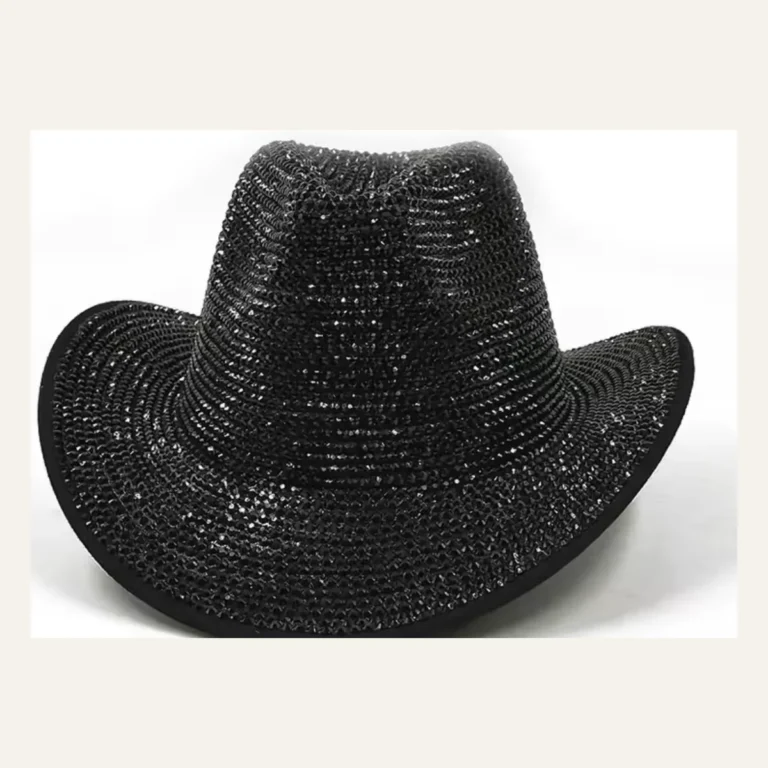
Sequin, mirror, rhinestone, and glitter finishes each add cost differently depending on how labor-intensive they are to apply. Hand-applied rhinestone settings, like those on our Rhinestone Crystal Cowboy Hat, generally cost more to produce than a printed or machine-applied sequin pattern, since each stone is set individually rather than applied in a continuous sheet.
LED and Light-Up Features
Hats with built-in LED lighting carry additional cost for the electronic components, wiring, and battery packs involved, on top of the base material and finish. This is one of the more significant price jumps in the category, since it involves genuine hardware rather than just a decorative treatment.
Fringe, Chains, and Add-On Details
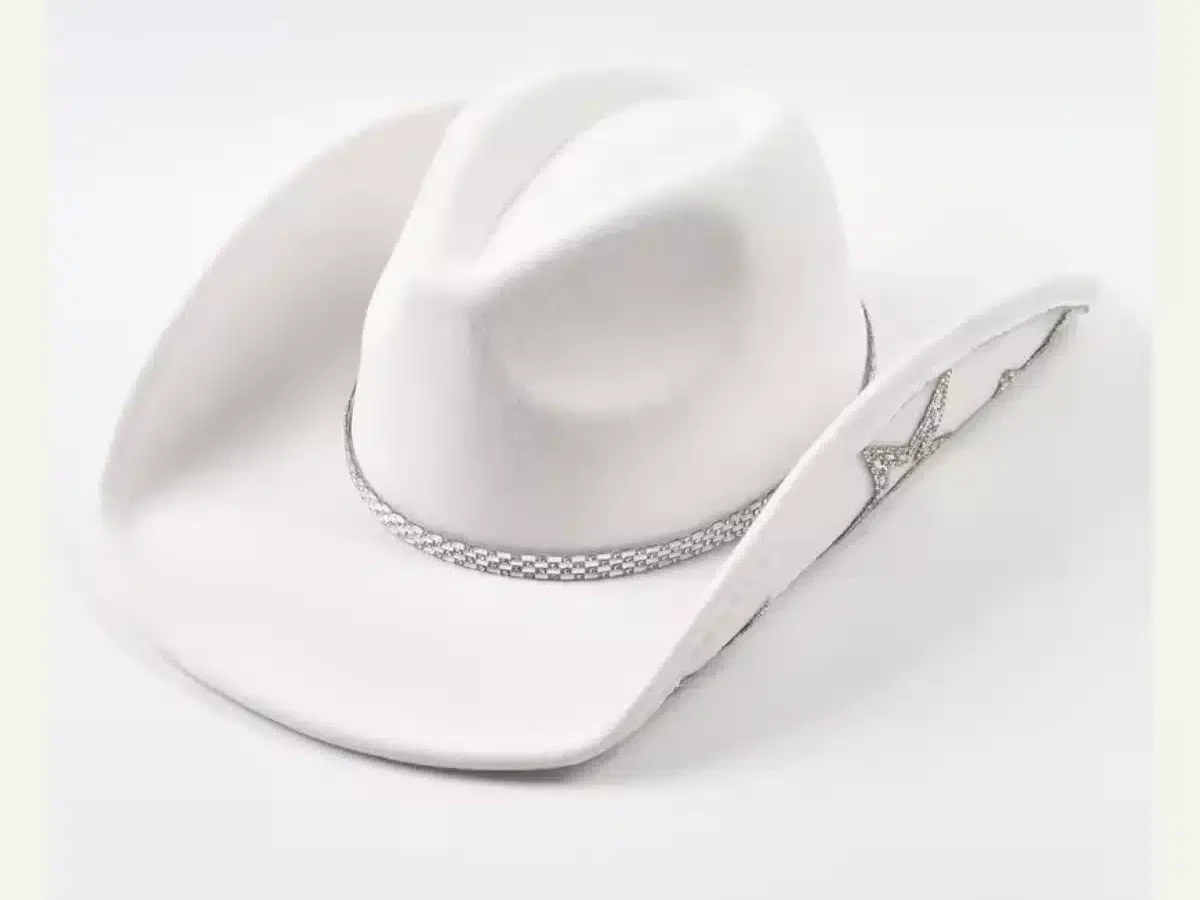
Star fringe, chain drops, and other dangling embellishment add both material and assembly cost, since each piece typically has to be individually attached rather than printed or molded as part of the base fabric. A hat with elaborate fringe detailing will generally cost more than a similar hat without it, even if the base finish is otherwise comparable.
Craftsmanship and Construction Quality
How securely embellishment is attached, whether seams are finished cleanly, and how well the crown holds its shape are all quality markers that don’t always show up clearly in a product photo but do affect both price and how long a hat lasts. A slightly higher price often reflects sturdier construction that holds up to a full night of dancing rather than shedding sequins after one wear.
Brand and Positioning
Some of the price difference between similar-looking hats comes down to brand positioning rather than a material difference you can see or feel. This isn’t necessarily a bad thing, since it can reflect consistent quality control and customer support, but it’s worth knowing that not every price gap traces back to a physical construction difference.
Is a More Expensive Hat Always Better?
Not necessarily. A higher price often does reflect better materials or construction, but for a hat you’ll wear once for a costume or a single event, a mid-range option can be the smarter choice, while a hat you plan to wear repeatedly over several seasons justifies investing a bit more upfront.
What to Expect at Different Price Points
- Budget-friendly hats typically use simpler finishes, like basic glitter or printed patterns, and are a solid choice for one-time wear or costume use.
- Mid-range hats often combine a solid felt or straw base with sequin or rhinestone accents, offering a good balance of look and durability for regular festival or event wear.
- Premium hats tend to feature hand-applied embellishment, sturdier construction, and finer details like fringe or LED lighting, built to hold up to repeated wear over multiple seasons.
How to Judge Value Beyond the Price Tag
Checking product photos for how embellishment is attached, reading how a hat is described (hand-applied versus printed, for example), and considering how often you’ll actually wear it are all better value indicators than price alone. A hat that costs a bit more but holds up for years of festival wear can be a better value than a cheaper one you replace every season.
Seasonal and Sale Pricing
Cowboy hat pricing can also shift around seasonal demand, festival season and the run-up to Halloween and New Year’s Eve tend to see higher demand, while off-season months sometimes bring better deals on the same styles. If your event has flexibility, watching for a sale outside peak season can be worth the wait.
Bundling and Multi-Hat Purchases
If you’re buying for a group, like a full bachelorette party or a festival crew, checking whether multi-item discounts are available can meaningfully change the per-hat cost compared to buying each one separately. It’s always worth asking or checking a store’s group-order policy before assuming individual pricing is the only option.
Balancing Cost Against How Often You’ll Wear It
A hat for a single Halloween costume doesn’t need the same investment as one that will anchor your festival wardrobe for several seasons running. Being honest about how much use a hat will actually get is one of the most practical ways to decide how much to spend without either overpaying or under-investing in something you’ll wear constantly.
How Shipping and Fulfillment Factor Into Total Cost
The listed price of a hat isn’t always the full picture, since shipping speed, packaging that protects embellishment in transit, and any customs or import considerations for international orders can all affect what you actually pay. It’s worth checking a retailer’s shipping policy before comparing two similar-looking hats purely on their sticker price, especially if you’re ordering close to an event date and need faster shipping.
Comparing Prices Across Retailers
When comparing the same style of hat across different sellers, look past the number itself and check whether the listings actually describe the same construction quality, hand-applied versus printed embellishment, felt versus a cheaper synthetic base, since a lower price sometimes reflects a genuinely different product rather than a better deal on the same one. Reading the full product description, not just the price and thumbnail, is the most reliable way to make a fair comparison.
When It’s Worth Paying More Upfront
If a hat is destined to become a repeat piece, like a signature look you’ll wear across multiple festival seasons or bachelorette trips, paying a bit more for sturdier construction usually pays for itself by avoiding a replacement purchase a year later. The math looks different for a hat you know you’ll only wear once, where a lower price point makes more practical sense.
Common Mistakes to Avoid
- Assuming the cheapest option is always the best value. A slightly higher price sometimes reflects meaningfully better construction and durability.
- Assuming the most expensive option is automatically better. Brand positioning accounts for some of the price gap, not just material quality.
- Ignoring how embellishment is attached. Hand-applied details generally hold up better over time than printed or lightly glued finishes.
- Not factoring in how often you’ll actually wear the hat. Matching spend to expected use is the most practical way to judge value.
Frequently Asked Questions
Why do some cowboy hats cost more than others?
Base material quality, how embellishment is applied, construction quality, and brand positioning all factor into price, even between hats that look similar in photos.
Are hand-applied rhinestones more expensive than printed sequin patterns?
Generally yes, since each stone is individually set rather than applied as a continuous printed or machine-attached pattern, which takes more labor to produce.
Why do LED light-up cowboy hats cost more?
They include electronic components like wiring and battery packs in addition to the base material and finish, which adds real hardware cost beyond decoration alone.
Is a more expensive cowboy hat always better quality?
Not always. Price often reflects better construction, but brand positioning also plays a role, so it’s worth judging construction details directly rather than price alone.
Should I spend more on a hat I’ll only wear once?
Not necessarily. A mid-range or budget option is often the smarter choice for a single event or costume, while frequent wear justifies a higher investment.
Do cowboy hat prices change by season?
Yes. Demand tends to rise around festival season, Halloween, and New Year’s Eve, while off-season months sometimes offer better pricing on the same styles.
Can I get a discount buying cowboy hats for a group?
Many retailers offer multi-item discounts for group orders, like bachelorette parties or festival crews, so it’s worth checking before buying each hat separately.
Final Thoughts
Understanding what actually drives cowboy hat pricing makes it much easier to shop with confidence instead of guessing. Browse our full collection of cowboy hats to compare finishes and find the right fit for your budget and your event.