How to Store Cowboy Hats: A Complete Organization Guide
One disco cowboy hat is easy to look after. Five or six, in a mix of sequin, mirror, and felt finishes, is a different problem entirely. Once your collection grows past a single go-to hat, figuring out where to actually keep everything becomes just as important as knowing how to clean each finish.
If your hats are currently stacked in a closet corner or piled on a shelf, here’s how to store and organize a growing collection without crushing brims, flattening crowns, or losing track of which hat is which.
Why Stacking Hats Is a Bad Habit
Stacking cowboy hats directly on top of each other is one of the most common ways collections get damaged over time. The weight of hats stacked above can crush brims, flatten crowns, and press embellishment like rhinestones or sequins into odd shapes that don’t bounce back. Even a short stack of two or three hats can cause noticeable damage after a few weeks of storage.
Hat Racks: The Simplest Long-Term Solution
A wall-mounted hat rack is the most space-efficient way to store multiple hats without stacking, hanging each one by its crown so the brim stays completely free and unstressed. This works especially well for a rotating collection of statement pieces, like our Rose Gold Sequin Cowboy Hat, where you want each hat visible and easy to grab rather than boxed away.
Hat Boxes: Best for Hats You Wear Less Often
For hats you only pull out for specific events, like a bachelorette hat or a holiday-specific style, a hat box keeps the shape protected while keeping dust and light exposure to a minimum. Stack hat boxes rather than stacking hats directly, since the rigid box structure protects the hat inside from the weight of anything stacked above it.
Hat Stands and Individual Displays
A single hat stand or form works well for a hat you wear frequently or want to display as part of a room’s decor. This method keeps the crown supported in its natural shape and the brim fully unobstructed, similar to a rack but suited to just one or two pieces rather than a full collection.
Closet Shelf Storage: Doing It Correctly
If you’re storing hats on a closet shelf rather than a dedicated rack, place them crown-down with the brim resting on the shelf, spaced apart so brims don’t overlap or press against each other. Never place anything heavy on top, even temporarily, since it only takes one heavy handbag or folded sweater to crush a brim out of shape.
Organizing by Finish and Fragility
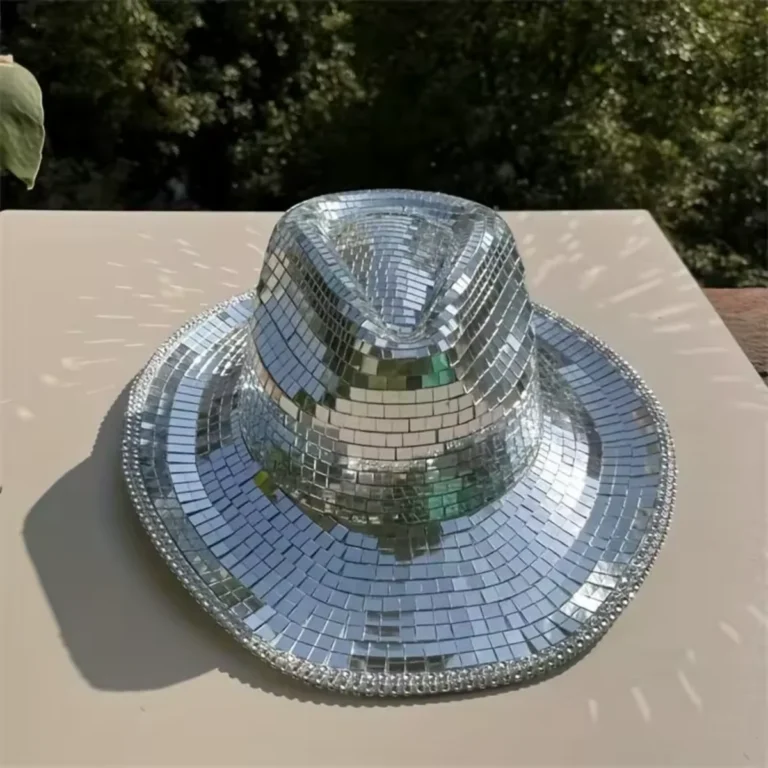
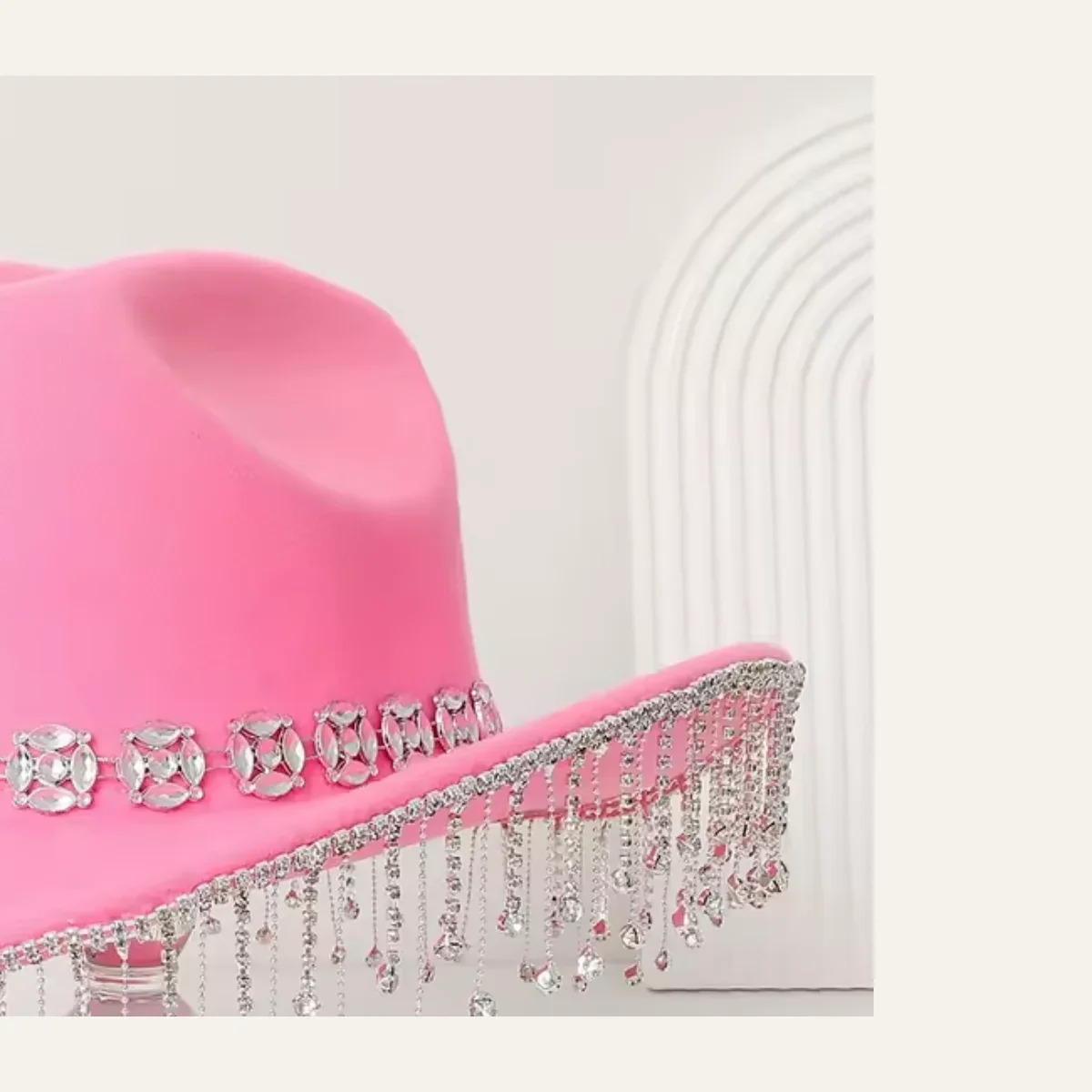
- Mirror and rhinestone hats benefit from the most protected storage, like a hat box or dedicated rack spot, since their embellishment is the most prone to visible damage from contact.
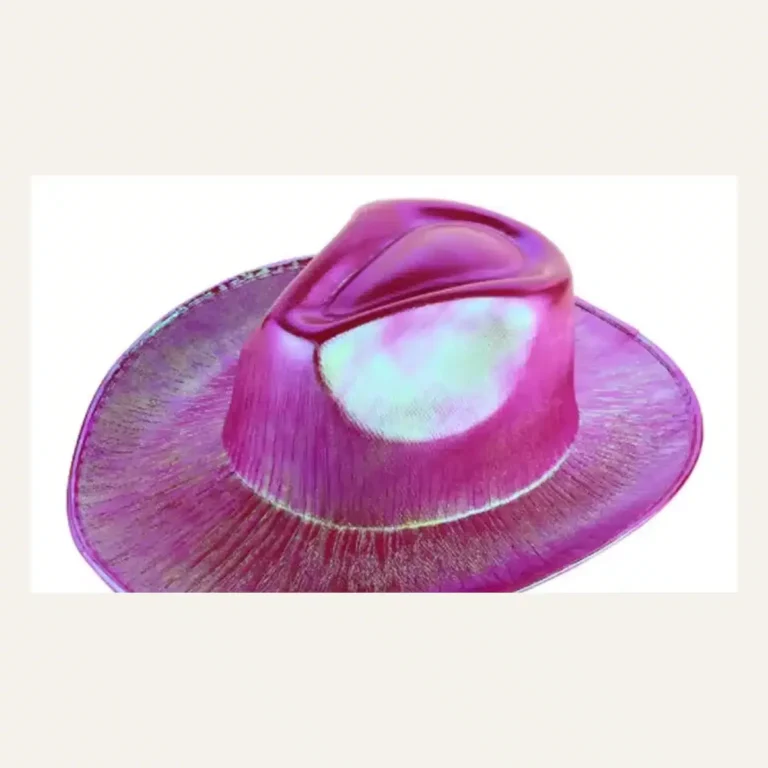
- Sequin and glitter hats do well on open racks but should avoid contact with rough fabric, which can cause shedding over time.
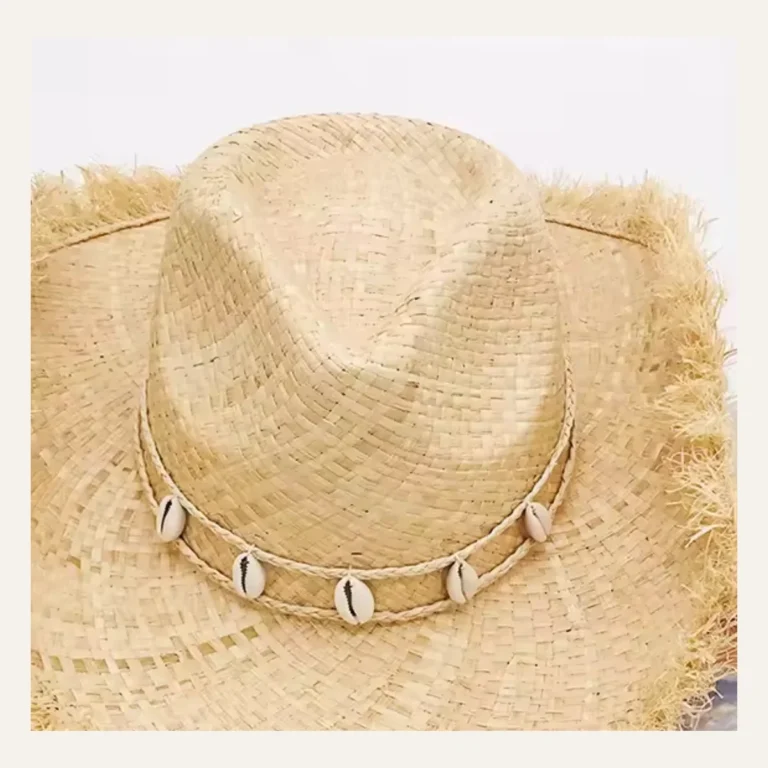
- Plain felt and straw hats are generally the most forgiving to store, though felt should still avoid excess humidity and straw should avoid crushing.
- LED hats need battery packs removed before long-term storage to prevent drain or corrosion.
Protecting Hats from Dust
Open storage, like a rack or shelf, exposes hats to dust over time, which is especially noticeable on darker felt and mirror finishes. A light cotton hat bag or cover, or simply rotating hats through active use rather than letting the same ones sit untouched for months, helps keep dust buildup manageable without needing to box everything away.
Storing Hats You Rarely Wear
For occasion-specific hats you might only wear once a year, like an NYE or Halloween-specific style, a labeled hat box tucked into a closet keeps it protected and easy to find again without taking up regular display space. Labeling boxes by occasion or hat name saves time hunting through several boxes when the right event rolls around.
Climate and Humidity Considerations
Felt hats are more sensitive to humidity than most people expect, and storing them in a damp basement or an un-climate-controlled space can cause the felt to soften, warp, or develop a musty smell over time. Straw hats handle humidity a little better but can still warp if stored somewhere consistently damp. A closet or dedicated storage area with stable indoor humidity is the safest option for most finishes.
Traveling with a Multi-Hat Collection
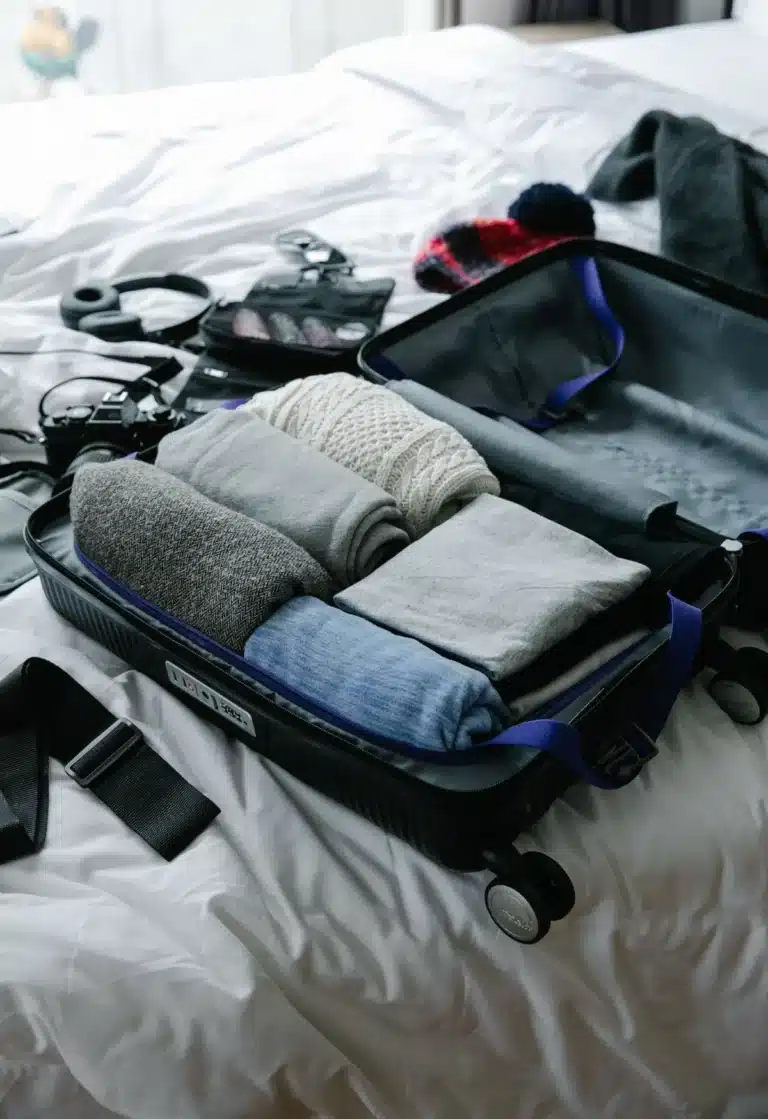
If you’re bringing more than one hat on a trip, a hard-sided hat box designed for stacking multiple hats is worth the investment over trying to fit several into a single soft bag. Pack the sturdiest or least embellished hat on the bottom if stacking inside a box is unavoidable, and never let a soft bag get compressed under other luggage.
Creating a Rotation System
For a larger collection, it helps to separate “current rotation” hats, the ones you’re actually reaching for, from “storage” hats you wear rarely. Keeping the rotation group on an accessible rack and the storage group in boxes on a higher shelf makes daily use easier while still protecting pieces you’re not using regularly.
Signs a Hat Needs Better Storage
If you’re noticing a permanently dented crown, a brim that no longer sits flat, or embellishment that’s started shedding or loosening, it’s usually a sign the hat has been stored under weight or in a cramped space for too long. Switching to rack or box storage going forward can prevent further damage, though a badly crushed shape may not fully bounce back on its own.
Budget-Friendly Storage Ideas
A dedicated hat rack or box isn’t always necessary to start protecting a small collection. Repurposing wall hooks spaced apart, hanging hats crown-first on the back of a closet door, or even resting hats brim-up on a high, clear shelf can work as a starting point, as long as nothing is stacked directly on top and the crown isn’t left resting on a hard edge that could dent it over time. As a collection grows, upgrading to a proper rack or boxes becomes more worthwhile, but there’s no need to over-invest before you actually need to.
Organizing a Collection by Occasion
Beyond finish and fragility, it can help to mentally group hats by the occasions they’re actually worn for: everyday or festival rotation pieces, one-off event hats like a bachelorette or holiday style, and anything seasonal. This kind of grouping makes it easier to decide what belongs on an accessible rack versus what can go into longer-term box storage, and it also makes packing for a specific trip or event faster since you already know which hats fall into that category.
Common Mistakes to Avoid
- Stacking hats directly on top of each other. Even a short stack can crush brims and flatten crowns over time.
- Storing hats in a damp or un-climate-controlled space. Humidity can warp straw and soften or damage felt.
- Leaving heavy items on a shelf above stored hats. One heavy object is enough to permanently distort a brim.
- Forgetting to remove batteries from LED hats before long-term storage. This can drain the battery or cause corrosion over time.
When to Retire a Storage Method
If you find yourself skipping proper storage because the current system is inconvenient, like a rack that’s too far from where you actually get dressed, it’s worth treating that as a sign to adjust rather than a personal failing. Storage only protects a hat if it’s actually used consistently, so the “best” method is really whichever one you’ll realistically stick with, even if it’s a simpler setup than what looks best in photos.
Frequently Asked Questions
What’s the best way to store multiple cowboy hats?
A wall-mounted hat rack is the most space-efficient option for a rotating collection, since it keeps each brim free of pressure and every hat visible and accessible.
Can I stack cowboy hats on top of each other?
It’s best to avoid stacking hats directly, since the weight can crush brims and flatten crowns. Stacking hat boxes instead protects the hats inside.
How do I store a cowboy hat I only wear once a year?
A labeled hat box is ideal for occasion-specific hats, keeping the shape protected and making it easy to find again when the event comes around.
Does humidity affect cowboy hat storage?
Yes. Felt hats can soften or warp in humid conditions, and straw can also warp if stored somewhere consistently damp, so stable indoor humidity is best.
How should I pack multiple hats for a trip?
A hard-sided, stackable hat box is the safest option for traveling with more than one hat, since it protects each hat’s shape better than a soft bag.
Do mirror and rhinestone hats need special storage?
Yes, these finishes benefit from more protected storage, like a hat box or a dedicated rack spot, since their embellishment shows contact damage most visibly.
What are signs my hat storage method isn’t working?
A permanently dented crown, a brim that won’t sit flat, or shedding embellishment usually mean the hat has been stored under weight or in a cramped space too long.
Final Thoughts
A little intentional storage goes a long way toward keeping a growing hat collection looking as good as the day you bought each piece. Browse our full collection of cowboy hats to keep building your rotation, and give each piece the storage it deserves.